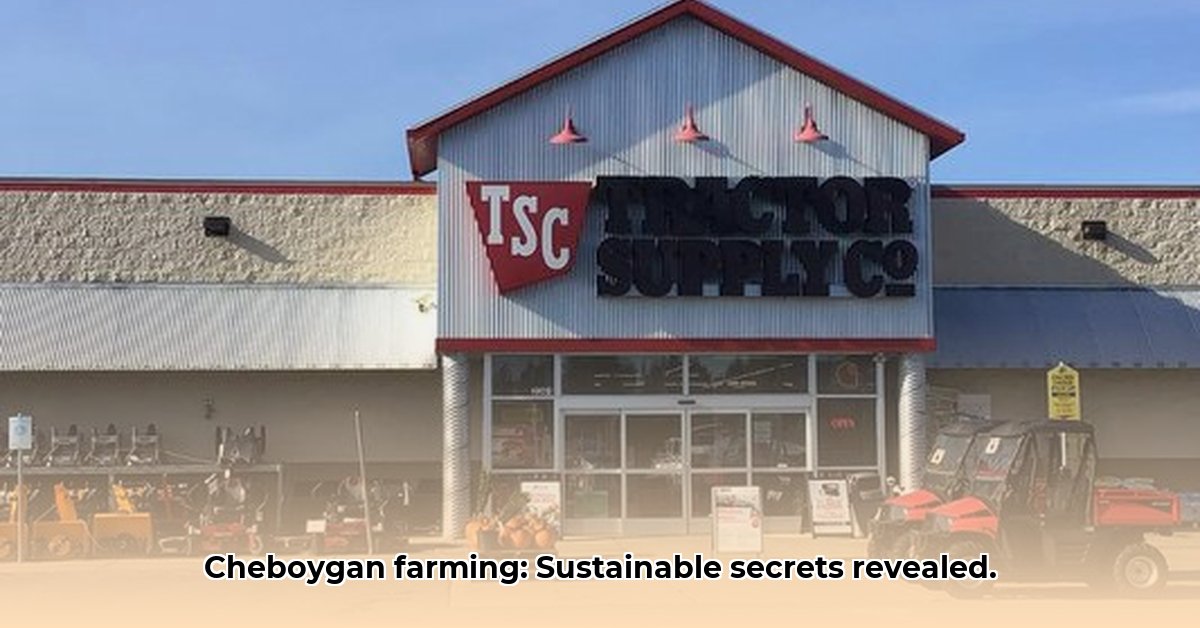
Tractor Supply Cheboygan MI: A Local Resource for Sustainable Farming?
Tractor Supply Company (TSC) in Cheboygan, Michigan, serves as a significant resource for local farmers and gardeners. Its convenient location and broad product range offer accessibility to essential supplies. However, the extent to which TSC contributes to sustainable agricultural practices within the Cheboygan community requires closer examination. This article explores TSC's product offerings, community impact, and sustainability practices, ultimately outlining actionable steps to foster a more environmentally friendly agricultural landscape. For similar resources in nearby areas, check out the Manistique location.
Products and Services: A Wide Range, but Limited Transparency
TSC Cheboygan boasts a wide selection of products, including fencing materials suitable for rotational grazing (a sustainable land management technique), animal feed, and various gardening tools. The potential to support sustainable farming practices is evident; however, crucial information regarding the sustainability of these products remains lacking. Clear labeling detailing the sourcing of materials, manufacturing processes, and the environmental impact of products is absent. For example, while organic seeds might be available, their presence isn't readily advertised. This lack of transparency hinders a comprehensive assessment of TSC's role in promoting sustainable agriculture. Do they offer compostable alternatives to plastic packaging? This information is key.
Community Impact: Accessibility and the Need for Deeper Engagement
TSC's accessibility is undeniably beneficial to the Cheboygan community. Its convenient location facilitates access to essential agricultural supplies for local farmers and gardeners. This readily available access could significantly support local food production. However, quantifying the store's precise impact on sustainable agricultural practices requires further investigation. What percentage of TSC customers specifically engage in sustainable farming techniques? Anecdotal evidence, such as farmer testimonials, could provide valuable insight into the store's influence and identify areas for improvement. Understanding the community's specific needs and engaging through workshops or collaborative initiatives would further enhance TSC's positive contribution.
Sustainability Assessment: A Gap in Transparency
While TSC's product offerings could support sustainable farming, a comprehensive assessment of their environmental footprint is currently impossible due to a lack of transparency. Critical information regarding supply chain sustainability, including sourcing practices, transportation methods, and packaging materials, is unavailable. Without this data, assertions about TSC's contribution to sustainable agriculture remain unsubstantiated. How much energy does the store consume, and is it sourced from renewable energy sources? This is vital information for a complete assessment.
Actionable Recommendations: A Collaborative Path Forward
Achieving a more sustainable agricultural future in Cheboygan demands a collaborative effort involving TSC, local farmers, the local government, and consumers. Here's a roadmap for progress:
For Tractor Supply: Conduct a comprehensive sustainability audit across the entire supply chain, publicly disclosing findings. Implement clear and detailed product labeling highlighting sustainable attributes (e.g., organic certification, recycled materials). Engage with local sustainable agriculture organizations to identify and offer more eco-friendly products.
For Local Farmers: Actively seek out and purchase sustainable products, providing feedback to TSC on product availability and needs. Advocate for transparency and increased access to eco-friendly supplies.
For Local Government: Partner with TSC and local organizations to promote sustainable agricultural practices. Provide incentives or funding for local farmers adopting eco-friendly methods.
For Consumers: Demand greater transparency from TSC regarding product sustainability. Support businesses committed to environmental responsibility, driving market demand for more sustainable options.
Conclusion: A Call for Collaboration and Transparency
Tractor Supply Cheboygan possesses the potential to play a significant role in shaping a sustainable agricultural landscape for the community. However, realizing this potential necessitates increased transparency regarding supply chain practices, coupled with proactive engagement with local farmers and a commitment to offering environmentally friendly products. By working collaboratively, TSC, local farmers, the government, and consumers can cultivate a more sustainable and prosperous agricultural future in Cheboygan.
Key Takeaways:
- TSC's product range offers potential for sustainable farming, but crucial sustainability information is missing.
- Increased transparency from TSC regarding sourcing and production is essential.
- Collaboration among stakeholders—TSC, local farmers, the government, and consumers—is necessary to advance sustainable practices.